



Accessing an online casino account should be straightforward, but forgotten passwords, browser settings and security checks can interrupt the process. The gransino login page is intended for account access, while the main practical questions concern what credentials are needed, how email recovery works and what to do when the mobile or desktop form fails. This guide explains the normal sign-in process, sensible troubleshooting steps and the situations where contacting support is safer than repeatedly attempting access.
Check your credentials before trying again
Gransino describes email and password as the standard credentials for logging in. Begin by entering the email address connected to the account rather than an alternative address used for another service. Carefully check spelling, spaces and the password’s capital letters. A password can appear correct while still failing because Caps Lock is active or a character has been entered differently from the original.
Repeated unsuccessful attempts are unlikely to solve a typing mistake and may make the situation more confusing. Re-enter the details slowly, checking each field before submitting the form. If your browser has filled the password automatically, consider whether it may contain an old credential. Password managers can also store several entries for similar websites, so confirming the saved email and password belongs to the correct account is worthwhile.
If the details are correct but access still fails, avoid sharing your password with another person or entering it into an unofficial page. An inaccessible account may result from a technical fault, a security review or a locked profile rather than a simple typing error. Gransino’s support service is described as handling locked, inaccessible and potentially compromised accounts, making support the appropriate next step when ordinary checks do not help.
Use email recovery for a forgotten password
The stated “Forgot password?” option provides the normal route when the password is no longer remembered. Select that option and enter the email address registered to the account. The recovery process is email-based: open the reset message, follow its instructions and create a new password. Use an address you can currently access, because the reset message will not assist if the mailbox itself is unavailable.
Messages can sometimes be filtered before reaching the main inbox. Check spam, junk and other automatic folders, then search the mailbox for a password-reset message. Allow a short time for delivery before requesting another message. If several reset emails arrive, use the newest valid message, as older recovery links may no longer work after a later request has been submitted.
Choose a new password that is difficult for others to guess and avoid reusing one associated with email, banking or social-media accounts. Do not disclose the reset message or password to anyone claiming to offer assistance. If no message arrives after checking the correct mailbox and requesting recovery again, contact support and explain the issue without sending confidential login information.
Keep desktop access secure and functional
Login difficulties can be caused by the browser rather than the account. First refresh the page and confirm that the browser is up to date. An outdated browser may handle forms or security features poorly. If the page remains unresponsive, clearing cached files and cookies can remove stale data that interferes with loading, although this may also sign you out of other websites.
Try opening the page in a private browsing window or another current browser to compare the result. This can help identify whether an extension, stored cookie or local setting is involved. Disable only unnecessary extensions temporarily, particularly those that alter page scripts or privacy controls. Make sure JavaScript is enabled, because interactive account forms may not work properly when essential browser functions are blocked.
Network conditions can also affect access. Refresh the connection, try a different trusted network and avoid entering credentials on shared or public computers. Once signed in, log out fully if the device is not private. If the same problem continues across suitable browsers and networks, record the message displayed and contact support rather than repeatedly submitting the form without knowing whether an attempt was accepted.
Use the mobile site carefully
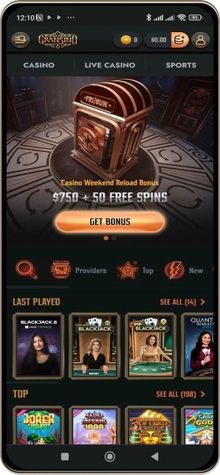
Gransino’s official material presents mobile access primarily through a browser on iOS and Android devices, rather than confirming a consistently available native application. The mobile site is described as covering account access, registration, profile information, bonuses, cashier functions, support, challenges, tournaments and VIP features. A responsive design should adapt to smartphones and tablets, but screen size can still make errors easier to miss.
For a smoother mobile sign-in, use an updated browser and a reliable connection. If the form does not load correctly, refresh the page, clear the browser cache and check that JavaScript is enabled. Switching between Wi-Fi and mobile data may reveal whether the difficulty is network-related. Closing surplus tabs can also help on a device with limited available memory.
Be cautious about downloading applications advertised through unofficial sources. The confirmed option in the supplied information is browser-based mobile access, while a current official iOS or Android app is not consistently established. If the mobile site continues to fail, try a desktop browser to distinguish an account problem from a device issue, then contact support with the device type, browser and visible error.
Know when support is the safer option
Support is appropriate when recovery fails, the account appears locked or you suspect someone else has accessed it. Gransino advertises 24/7 assistance through live chat and email, with support@gransino.com listed as the support address. Describe the problem clearly, including whether the password was forgotten, the reset message failed to arrive or the login form produced a particular error.
Do not send your password, complete payment details or unnecessary identity documents in an ordinary support message. If support requests account information for security or verification, follow the operator’s stated requirements and use the official support channel. The source notes that verification documents can vary according to an account review, so it is better to wait for a specific request than to submit unrelated files.
Access problems can matter beyond gaming because the account area may contain profile details, bonuses, transactions, verification uploads, cashier functions, challenges and VIP status. Resolve the sign-in issue before assuming a promotion or transaction is missing. If gambling is becoming difficult to control, support can also address responsible-gaming requests, temporary exclusion, self-exclusion and account deactivation.
FAQ
What should I do if the password-reset email does not arrive?
Check the spam and junk folders, confirm that you entered the registered email address and request the message again. If it still does not arrive, avoid repeated guesses and contact Gransino support. Explain that recovery failed, but do not include your password or send sensitive information unless the official team specifically requests it.
Can I use a phone browser to access my account?
Yes. The supplied information describes mobile access through browsers on iOS and Android devices, with no app download required for the confirmed option. Use an updated browser, enable JavaScript and try clearing the cache if the page behaves incorrectly. A desktop browser can help identify whether the issue is device-specific.
What if I think someone else accessed my account?
Stop repeated login attempts and contact support through the advertised live chat or email channel. Do not share your password publicly or provide unnecessary payment information. Explain what you noticed and follow the operator’s security instructions. If gambling access itself is a concern, ask support about temporary exclusion, self-exclusion or account deactivation.